Contact us today to schedule an appointment
WhatsApp: +2782 570 2445
Myopia is an eye condition when distant objects are not in focus and appear blurry. This occurs because of long eyeball length and/or high corneal curvature, resulting in distance light rays focusing in front of the retina (as seen below), instead of on the retina.
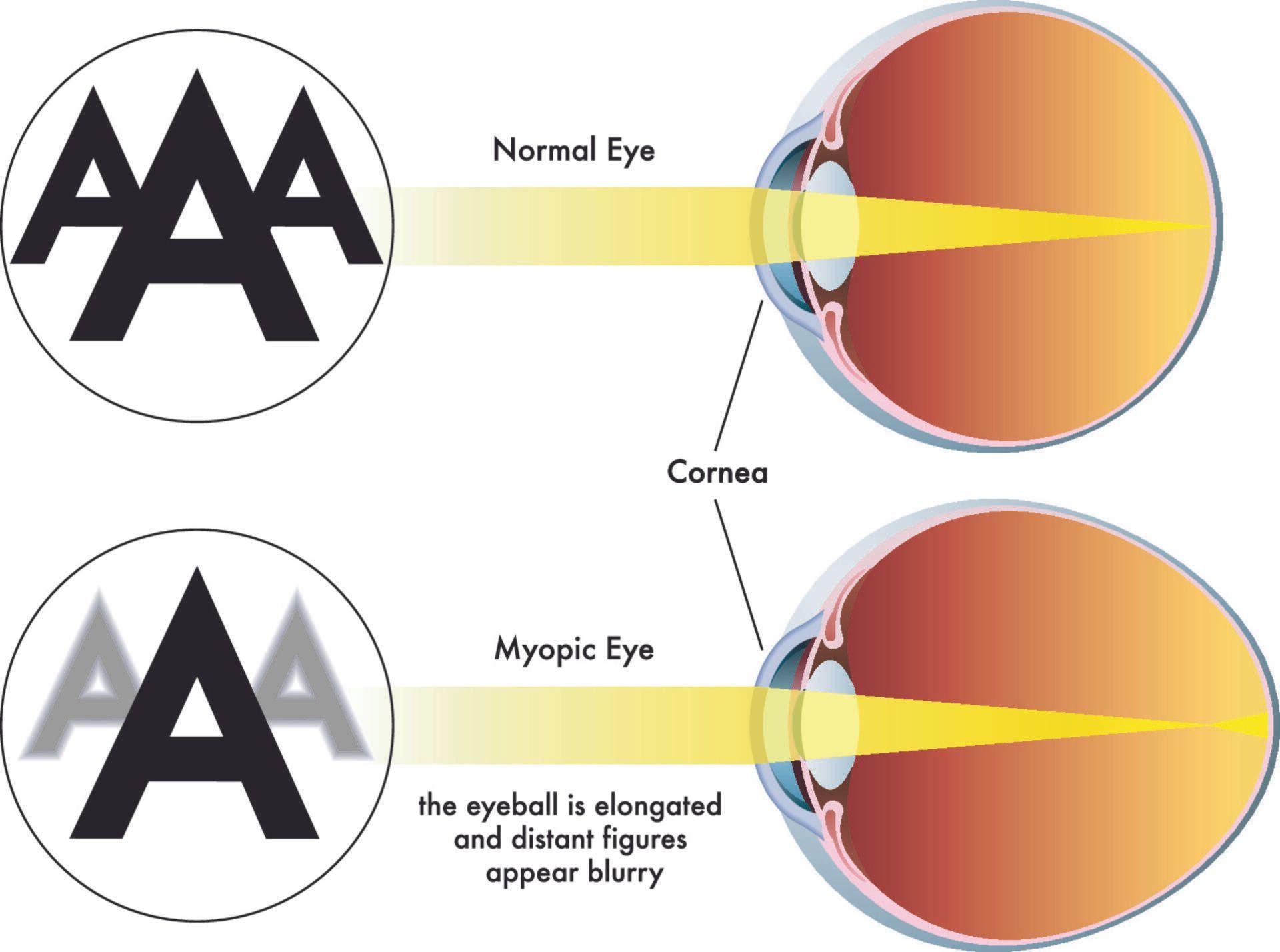
Myopia is a rapidly growing global concern. According to research1, it is estimated that by 2050, 50% of the global population will be myopic.
Children often do not realize their vision is not normal. Watch for these symptoms & signs:
If this is undetected in a child, this may affect their learning, leading to poor performance in school, short attention span.
Don't wait for symptoms to worsen. Schedule a Comprehensive paediatric eye exam with our optometrists.
When a child develops myopia at a young age, the probability of them progressing to high myopia is higher. High myopia isn't just about needing thicker glasses; high myopia significantly increases the lifelong risk of serious, sight-threatening eye conditions later in life, including2:
With advancement in research and technology, we have a few strategies available to reduce the speed of progression of myopia. We have the option of low dose Atropine eye drops, peripheral defocus spectacles and contact lenses.
Low-dose atropine drops are a simple, non-invasive pharmacological treatment applied once nightly before bed. Atropine relaxes the ciliary muscles that lead to accommodative spasm and consequently pseudomyopia. At the same time, it thickens the choroid (the tissue layer behind the retina) which acts as a barrier to reduce the retina from extending backwards.
*Requires close medical co-management with an ophthalmologist.
Conventional lenses diverge light rays so that distance light rays focus on the retina, instead of in front of the retina. However, due to the curvature of the eyeball, peripheral light rays focus behind the retina. This misleads the brain that the eye is not long enough and signals it to grow longer, further increasing the degree of myopia.
Myopia control spectacles & contact lenses have two zones:
👉 Explore tailored treatment plans. Book an Appointment Today to evaluate your child's vision & Discuss Myopia Control Therapy to protect their long-term eye health.
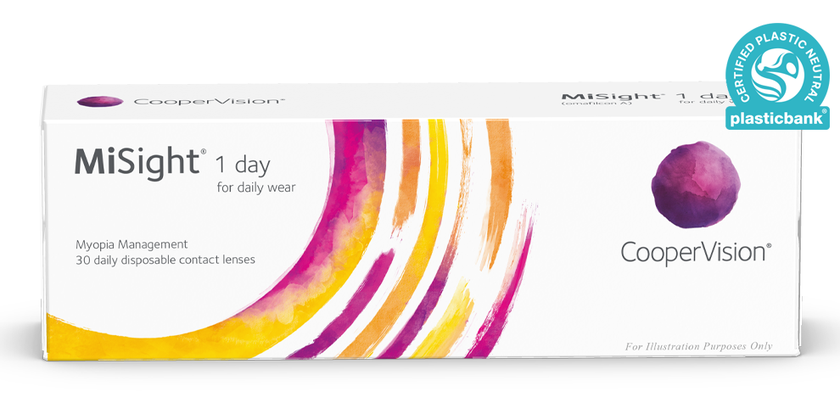
We are proud, accredited suppliers of the world's leading myopia control technologies: Hoya MiYoSmart, Essilor Stellest, Zeiss MyoCare & CooperVision MiSight.
References:
1. Holden B.A., Fricke T.R., Wilson D.A., Jong M., Naidoo K.S., Sankaridurg P., Wong T.Y., Naduvilath T.J., Resnikoff S. Global Prevalence of Myopia and High Myopia and Temporal Trends from 2000 through 2050. American Academy of Ophthalmology. 05/2016, vol.123, no. 5, p.1036–1042. https://doi.org/10.1016/j.ophtha.2016.01.006
2. Flitcroft, D. I. (2012). The complex interactions of retinal, optical and environmental factors in myopia aetiology. Progress in retinal and eye research, 31(6), 622-660.
Fill in the form below and we will get back to you as soon as we can.
Address: Shop 6, Plattekloof Centre, Plattekloof, Parow, Cape Town, 7500